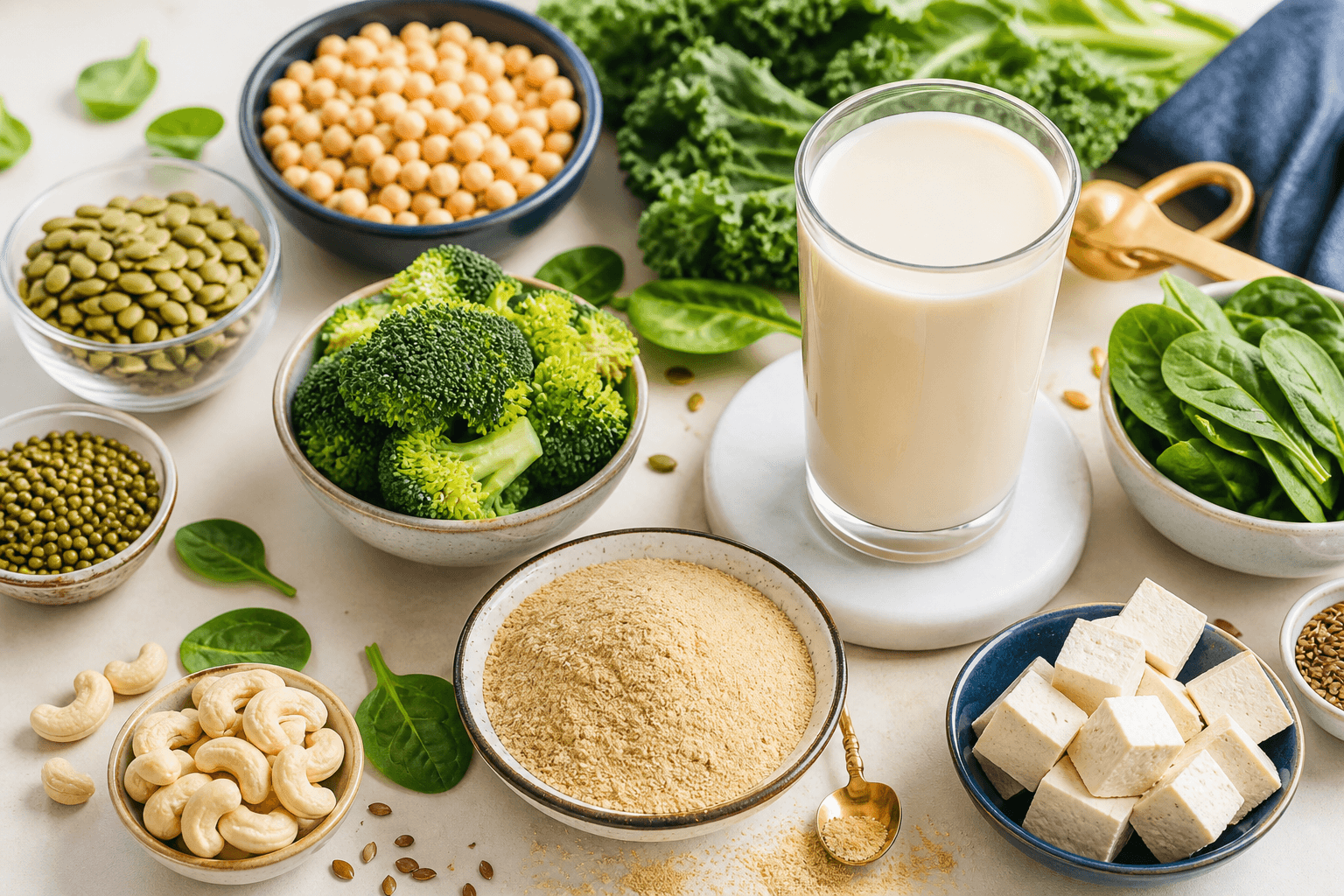
Brewer's Yeast vs Nutritional Yeast: What's the Difference?
Compare brewer's yeast vs nutritional yeast to understand the differences, benefits and how to choose the right one with PrimeYeast Brewer's Yeast.
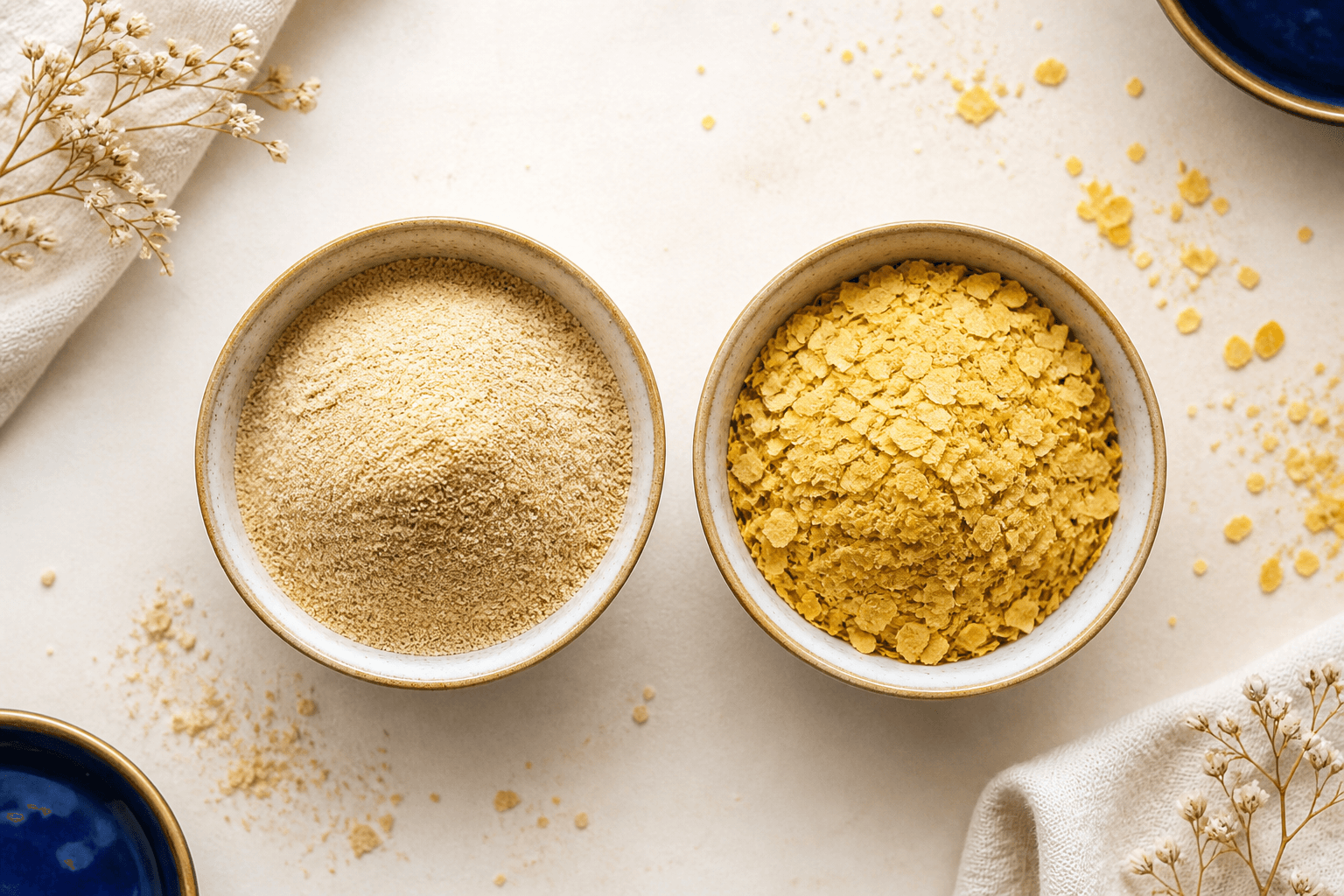
When learning about edible yeasts, many people confuse brewer's yeast and nutritional yeast. The two products sound similar and are both nutrient-rich, but they actually have notable differences in origin, flavor and use. This article will help you clearly tell brewer's yeast vs nutritional yeast apart so you can choose the right one for your needs.
The origins of brewer's yeast and nutritional yeast
Both brewer's yeast and nutritional yeast come from the same yeast strain, Saccharomyces cerevisiae, but their production processes differ:
- Brewer's yeast: a byproduct of fermentation that is then dried and processed into a dietary supplement.
- Nutritional yeast: grown primarily to be food, then deactivated and dried into flakes or powder.
Even though they share the same yeast family, the way each is cultured and processed creates differences in flavor and characteristics.
Comparing flavor
Flavor is the most noticeable difference between brewer's yeast and nutritional yeast:
- Brewer's yeast often has a slightly bitter, distinctive taste.
- Nutritional yeast has a savory, cheese-like flavor and is often sprinkled over food.
That is why nutritional yeast is frequently used as a seasoning, while brewer's yeast is usually mixed into drinks or combined with other ingredients to balance the taste.
Comparing nutritional value
Both are rich sources of plant protein and B vitamins. Still, there are a few differences:
- Brewer's yeast provides plant protein, B vitamins, beta-glucan, amino acids and minerals.
- Nutritional yeast is also rich in B vitamins and is sometimes fortified with vitamin B12.
- Exact amounts can vary by brand and production process.
For example, PrimeYeast Brewer's Yeast contains plant protein, B vitamins, beta-glucan, 18 amino acids and minerals, and is 100% vegan, gluten-free and soy-free. That is a plus for anyone on a plant-based diet or sensitive to gluten and soy.
How do their uses differ?
Because of their different flavors and properties, the two yeasts are used in different ways:
- Nutritional yeast: often sprinkled over pasta, salad, popcorn or cooked into sauces for a savory, cheesy taste.
- Brewer's yeast: usually mixed with milk or water, or added to smoothies, cereal, porridge and yogurt.
With PrimeYeast Brewer's Yeast, you simply mix 1 sachet (16g) with 150-200ml of milk or water and take 1-2 sachets per day. The three flavors, Pure, Vanilla and Chocolate, let you create many different recipes.
Should you choose brewer's yeast or nutritional yeast?
The choice depends on your goals and taste:
- If you want a product that is easy to mix into drinks, comes in several flavors and is convenient to take every day, brewer's yeast is a good fit.
- If you prefer adding a savory, cheesy taste to dishes, nutritional yeast may suit you better.
In fact, you can use both for different purposes. What matters most is choosing a quality product with a clear origin and using it in sensible amounts.
Both brewer's yeast and nutritional yeast are dietary supplements that contribute to a balanced diet and are not intended to treat disease.
Conclusion
Brewer's yeast and nutritional yeast share a common origin but differ in flavor, production and use. Understanding these points helps you pick the right yeast for your taste and nutritional needs.
If you are looking for a brewer's yeast product that is easy to use, delicious and nutrient-rich, explore PrimeYeast Brewer's Yeast in three flavors: Pure, Vanilla and Chocolate. PrimeYeast is the exclusive distributor of the M-Yeast brewer's yeast brand in Vietnam, supporting your vegan nutrition journey.